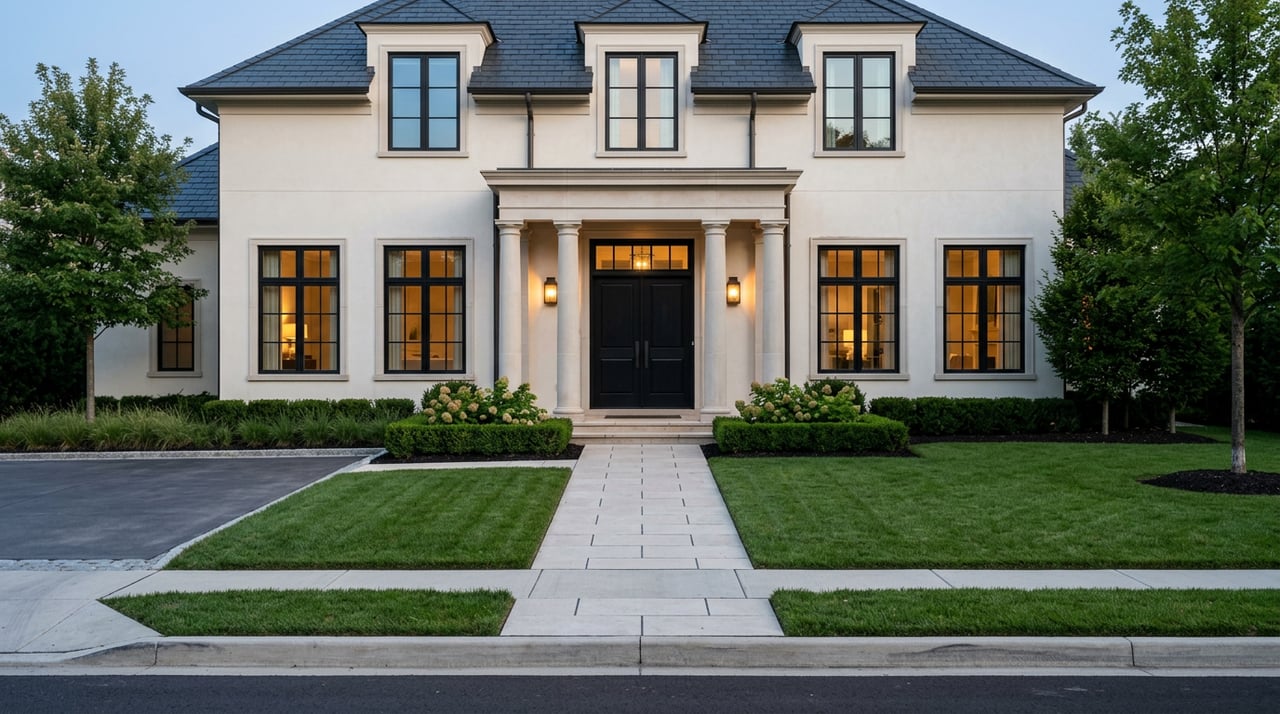
Franklin vs Nashville Living: Find Your Ideal Address
March 5, 2026
March 5, 2026
Torn between a Franklin front porch and a Nashville skyline view? You’re not alone. Many buyers weigh the charm of Williamson County living against the energy and value range of the city. In this guide, you’ll get a clear, data-backed comparison of prices, home types, commute realities, and day-to-day lifestyle so you can choose with confidence. Let’s dive in.
If budget is your first filter, start here. As of January 2026, Redfin reports a median sale price of about $875,000 in Franklin and about $451,000 in the city of Nashville. You can view the latest figures on the Franklin market snapshot and the Nashville market snapshot.
Zillow’s home value index often shows a higher level for Franklin because it measures a “typical” value rather than the median sale price. At the start of 2026, Zillow’s Franklin page shows values in the ~$900,000 range, reinforcing that Franklin generally carries a higher baseline than Nashville. See the Zillow Franklin ZHVI page for the current index and definition.
What this means for you:
For luxury buyers or those seeking more space, Franklin’s price premium often aligns with lot size and home age. For buyers targeted to a specific budget, Nashville’s diversity of product types can open more doors near the city core.
Franklin blends a walkable historic core with expansive master-planned communities. Around Main Street, you’ll find renovated older homes and a compact retail and dining scene. Beyond downtown, large-scale, amenities-forward developments anchor many neighborhoods. Westhaven, a 1,500-acre traditional neighborhood design community, is a prime example that emphasizes front porches, green space, and a town-center feel. Learn more about its design approach in this Westhaven profile.
Franklin also includes mixed-use options like Berry Farms and the Cool Springs corridor, where you’ll see townhomes, newer single-family options, and proximity to retail and corporate offices. Practically, that means you’ll more often evaluate HOA structures, new-construction warranties, and larger yards.
Local MLS snapshots for early 2026 showed Franklin’s single-family average sale price landing above the million-dollar mark on some measures, with months of supply moving closer to balance. That aligns with Franklin’s luxury tilt and steady building of higher-end homes. You can see a representative January 2026 summary in this MLS-based Franklin report.
Inside Nashville’s core, you can choose high-rise condos near entertainment districts or historic bungalows on tree-lined streets. Districts like The Gulch, Germantown, and SoBro concentrate new mixed-use development and high-density condo living, often within a short walk of restaurants and venues. For a quick overview of neighborhood types, browse this Nashville neighborhoods resource.
If you want a more residential feel while staying near the city, look at East Nashville, 12South, and Sylvan Park. These areas blend older homes, tasteful renovations, and some infill builds with strong local dining and café culture. East Nashville is a good example, offering a mix of home sizes and walkable pockets.
Practical differences you’ll notice touring homes:
On paper, average commute times are similar. The U.S. Census QuickFacts shows mean travel times of roughly 24 to 25 minutes for both Franklin and Nashville. You can confirm current figures on the Census QuickFacts pages.
Your day-to-day experience will depend on where you live and work. Franklin sits about 20 to 25 miles south of downtown Nashville via I-65. Off-peak, that drive can take around 25 to 35 minutes. During rush hour or incidents, plan for 35 to 60 minutes or more. For a rough baseline, see the Franklin to downtown Nashville driving time, then run your own timed tests during your actual commute windows.
Transit options are more limited for Franklin-to-downtown commuters compared to in-city alternatives. Many Franklin residents rely on personal vehicles. If you want to avoid daily driving, focus on in-city neighborhoods with higher walkability and proximity to employment centers.
Franklin offers a classic small-city rhythm with weekend festivals, a restored theater, and a charming Main Street. Suburban nodes like Cool Springs and master-planned town centers pack in grocery, dining, gyms, and services, making daily errands simple. Parks and green spaces are abundant, with easy access to trails, river spots, and nearby countryside.
Nashville delivers cultural density. You have touring shows, museums, pro-level venues, and a larger events calendar. Anchors like the Ryman Auditorium sit within a broader network of restaurants and nightlife districts. Urban green spaces like Centennial Park, Shelby Bottoms, Warner Parks, and Radnor Lake give you nature within minutes of the city.
A quick decision lens:
Think of Franklin as a higher baseline with a strong single-family and luxury tilt. If your budget is set for upper-mid to luxury and you want newer builds, Franklin delivers. If you prefer to trade a bit of space for in-city access or a lower price point, many Nashville neighborhoods give you that flexibility.
To refine your short list:
Use this simple, in-market test to make your decision clearer:
Budget check. Compare vendor numbers for your target areas. For Franklin and Nashville, start with Redfin’s city pages, then confirm the latest figures and on-the-ground comps with your agent. See the Franklin Redfin page and Nashville Redfin page for dated medians.
Commute test. Drive the exact route at your actual times both morning and evening. If you are considering Franklin and work downtown, run it during peak and off-peak hours to feel the difference. Use the baseline drive-time tool as a starting point.
Walkability count. On a weekday evening and a weekend morning, walk the immediate area you would buy in. Count how many daily needs are within a 10 to 15 minute walk: grocery, coffee, pharmacy, dinner, and parks.
Home type reality. If you want low maintenance, compare condo and townhome options in central Nashville versus Franklin’s townhome pockets. If you want a yard, compare lot size, HOA rules, and new-build warranties in Franklin’s master-planned communities like Westhaven.
Resale and liquidity. Franklin’s higher-end single-family stock can mean higher price points with fewer buyers per listing in some bands. Condos and smaller homes in central Nashville can trade faster depending on neighborhood. Review neighborhood-level months of supply and days on market. A January 2026 Franklin MLS summary shows how local market balance evolves.
If you plan to hold five to ten years, focus on neighborhood fundamentals that endure: access to employment corridors, quality of the built environment, and nearby amenities. In Franklin, that often points to master-planned communities with stable HOA maintenance and established town centers. In Nashville, that can mean central neighborhoods with proven demand for walkable living and proximity to major venues.
Data varies by vendor and month, so work from a fresh 30 to 60 day MLS snapshot when you are ready to write an offer. For investors, compare HOA fees, short-term rental rules, and renovation scope carefully. A central Nashville condo might offer lower maintenance and liquidity, while a Franklin single-family may capture appreciation with targeted upgrades and strong curb appeal.
You deserve more than market stats. You deserve a trusted guide who can translate the data into a lifestyle fit and a strong long-term asset. The Realtress, led by Marsha Ivey Price, offers a concierge experience that blends boutique representation with advisory depth. You get neighborhood-level research, on-the-ground touring strategies, and, if needed, renovation and investment planning that optimize your outcome.
Whether you are relocating, upgrading to a statement home, or comparing condo and single-family paths, we streamline the process and protect your time. When you are ready, we will curate a short list, run timed commute tests with you, and deliver a clear side-by-side financial view to support your decision.
Ready to find the right address for your next chapter? Schedule your consult with Marsha Ivey Price for a tailored plan and a calm, confident path to the closing table.
Stay up to date on the latest real estate trends.

Real Estate
Navigating Closing Costs in Nashville: Essential Insights for Homebuyers
Partner with a results-driven professional who combines polished expertise with a genuine passion for helping clients achieve their real estate goals. With Marsha’s seamless approach and dedication, your journey will be as rewarding as the destination.